Method
People are stable, not static: what Disposition changes — and what it doesn’t
Disposition changes expression. It does not replace your steadier pattern.
Open article
Method
The cleanest way to separate your steadier pattern, today’s shift, and timing context.
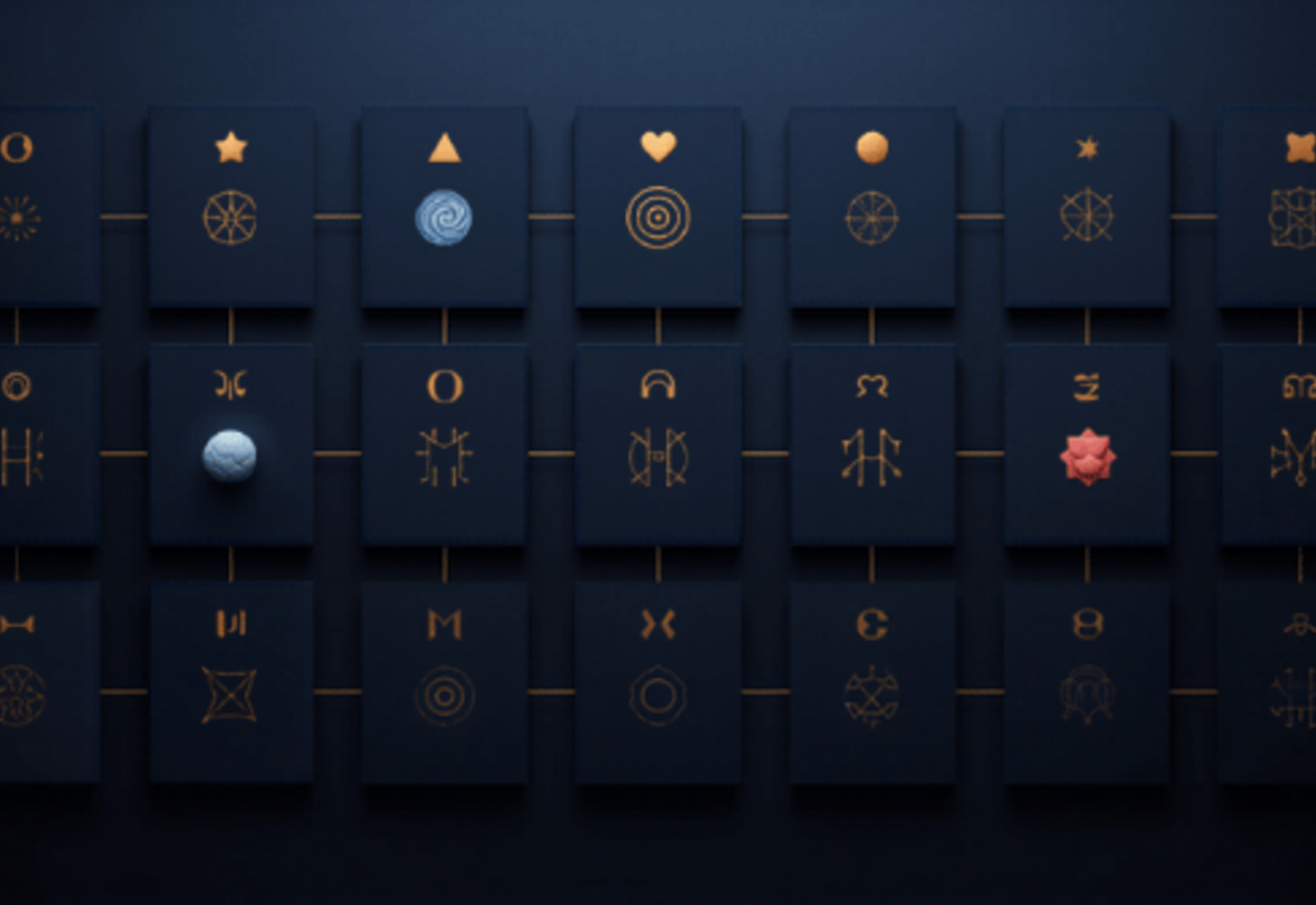
People are stable, but not static. That is the easiest way to understand why Aftercurrent keeps Archetype, Disposition, and Chronotype separate.
Archetype is the durable layer. It is the recurring shape of how you process, choose, relate, recover, and settle. It is not how you felt on one bad Tuesday.
Disposition is the live overlay. It uses the same four dimensions as Archetype, but it describes how that steadier pattern is leaning today under sleep, stress, recovery, social load, and momentum.
Archetype is the baseline. Disposition is how that baseline is showing up today. The same person can be sharper, warmer, more scattered, more guarded, more practical, or more visionary depending on how the week has gone and what the day is asking of them.
Chronotype adds timing context. It helps explain when you tend to warm up, drag, or stay active late. It can explain why a routine fits on one day and misses on another, even when your Archetype has not changed at all.
If you mix all three into one label, you lose the useful part. Aftercurrent separates them so you can tell what is baseline, what is live, and what is about timing.
Read next
These pages stay close to the same question.
Method
Disposition changes expression. It does not replace your steadier pattern.
Open articleHow Aftercurrent works
A simple way to tell what was measured directly, what Aftercurrent is noticing over time, and what is written as guidance.
Open articleHow Aftercurrent works
The same dream can read differently depending on whether the body was depleted, overstimulated, or settling after stress.
Open articleDownload Aftercurrent
The same model that runs through these articles becomes more useful once it is connected to your nights over time.