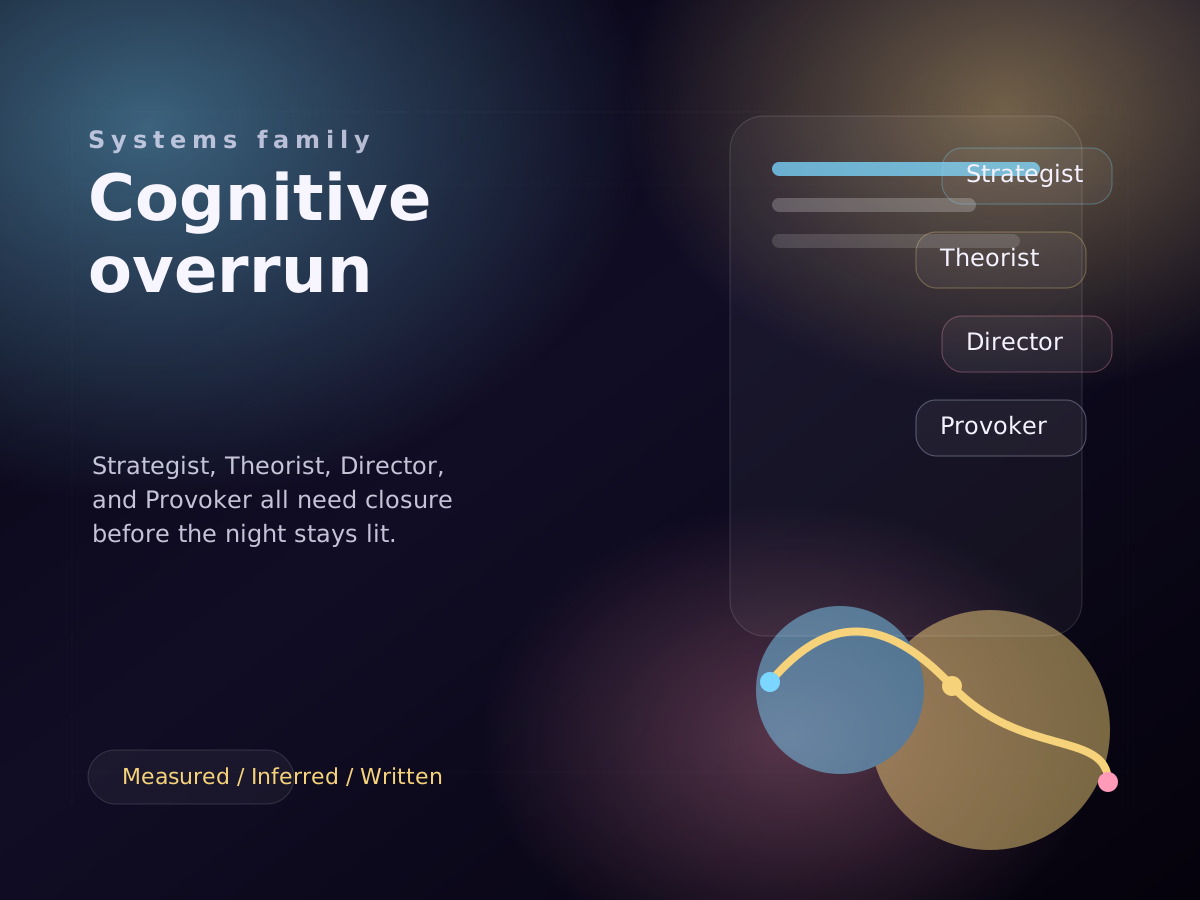
Systems
Systems family
People who think in structure, leverage, and whether the moving parts actually hold together.
At night: Open loops, overthinking, and too much mental stimulation.

Archetypes
Archetypes give the app a baseline for how different people carry stress, stimulation, and emotion into the night. They are not the whole story. They help Aftercurrent stop sounding generic.
Four families
Start with the family that sounds most like you, then compare the types inside it.
Systems
People who think in structure, leverage, and whether the moving parts actually hold together.
At night: Open loops, overthinking, and too much mental stimulation.
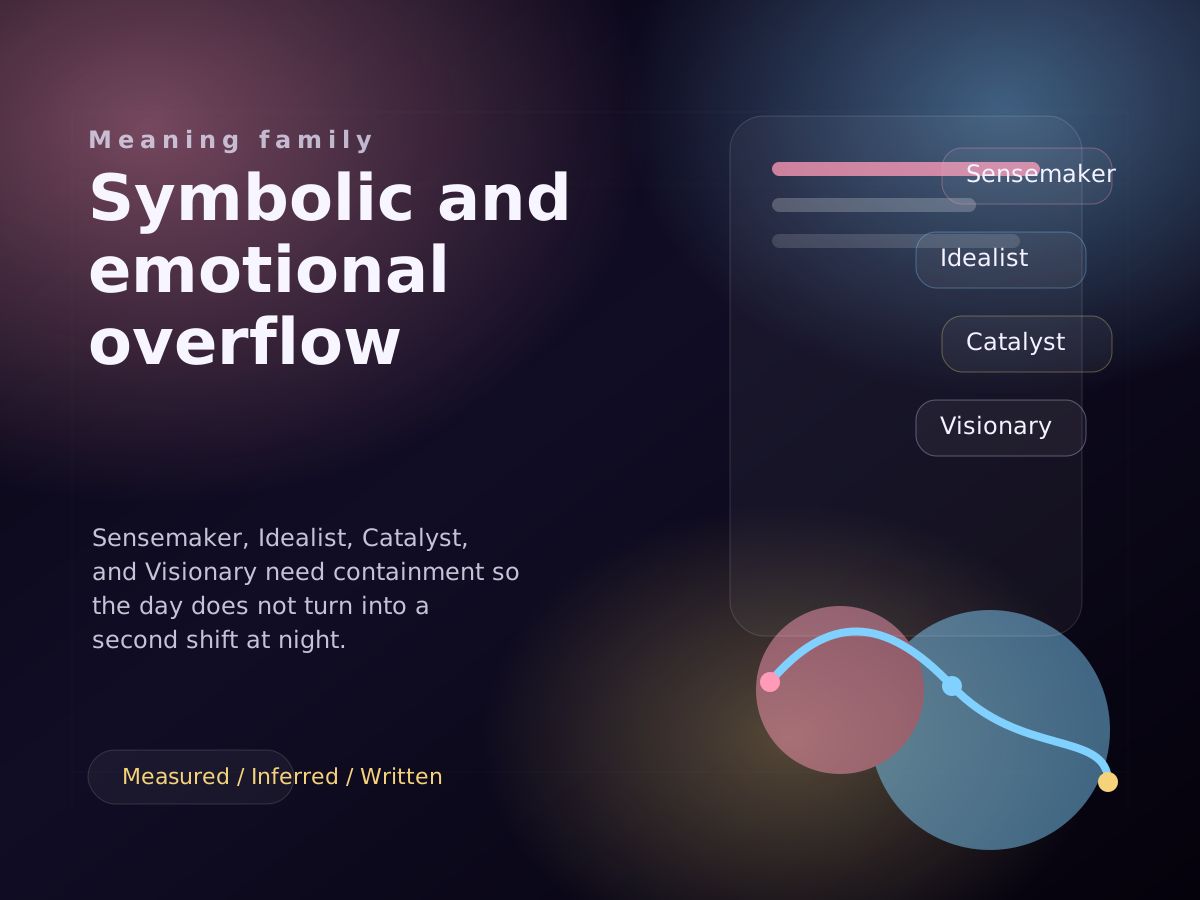
Meaning
People who notice subtext, emotion, and what something means beneath the surface.
At night: Unresolved emotion, subtext, and too much imagination still running.
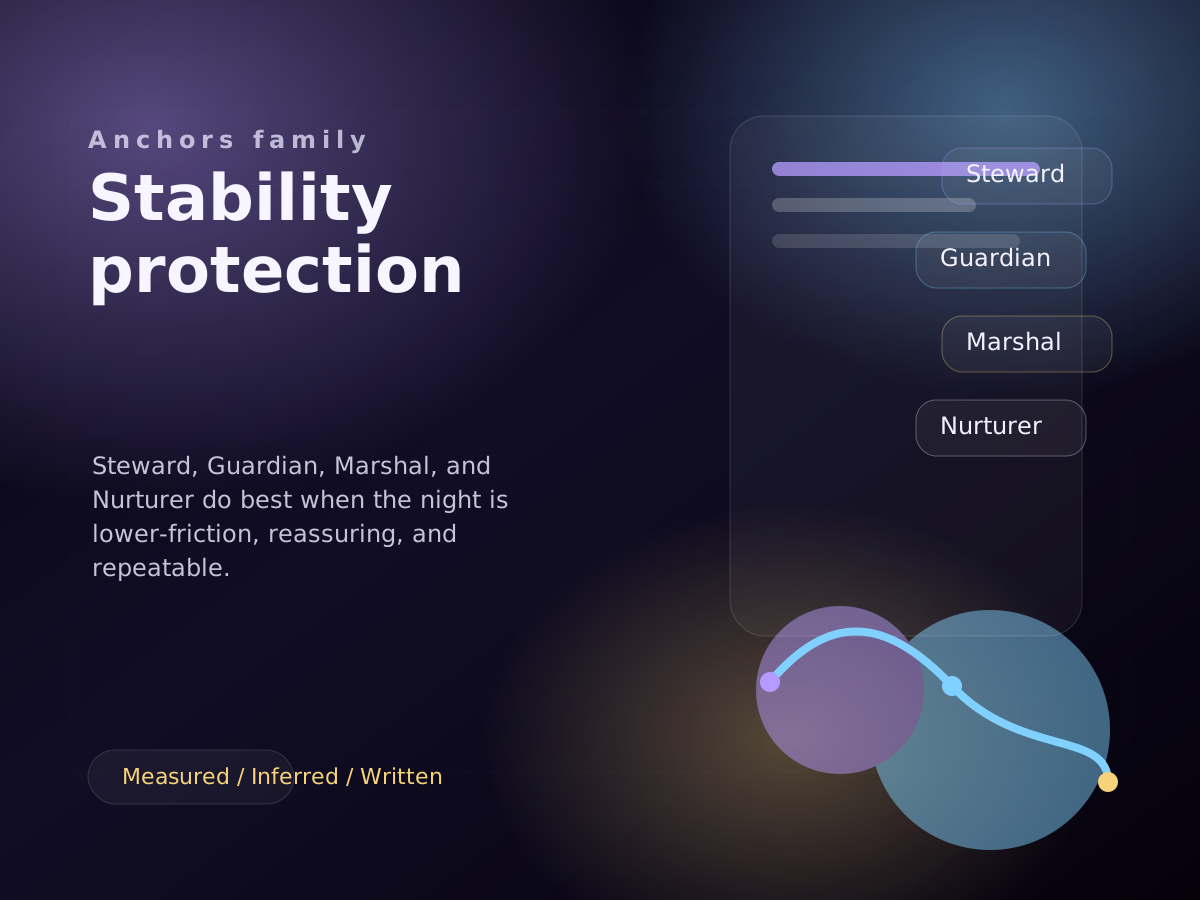
Anchors
People who protect continuity, practical stability, and the people depending on them.
At night: Worry, disruption, unfinished responsibilities, and the need to keep things steady.
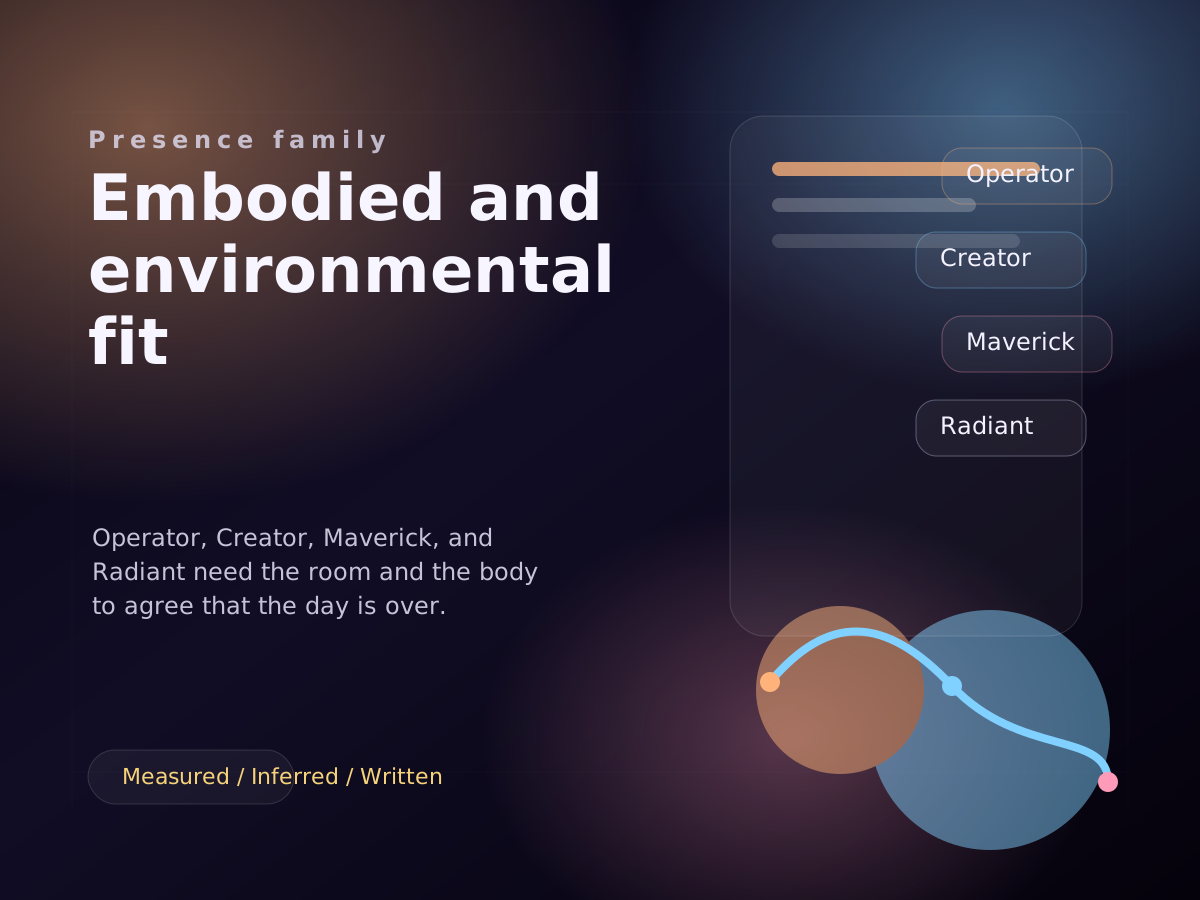
Presence
People who respond in real time to pace, atmosphere, and what the room feels like.
At night: Momentum, sensory overload, and not enough real wind-down.
Browse by family
Once the family sounds right, the type pages show what changes from one type to the next.
Systems family
People who think in structure, leverage, and whether the moving parts actually hold together.
At night: Open loops, overthinking, and too much mental stimulation.
Meaning family
People who notice subtext, emotion, and what something means beneath the surface.
At night: Unresolved emotion, subtext, and too much imagination still running.
Anchors family
People who protect continuity, practical stability, and the people depending on them.
At night: Worry, disruption, unfinished responsibilities, and the need to keep things steady.
Presence family
People who respond in real time to pace, atmosphere, and what the room feels like.
At night: Momentum, sensory overload, and not enough real wind-down.
All 16 types
Each page shows what drives that type, what pressure distorts, what tends to disrupt sleep, and what usually helps first.



Why this helps inside the app
Archetypes help Aftercurrent recognize the kind of sleep friction, dream themes, and first suggestions most likely to fit.
What kind of night pressure usually follows this baseline.
What kinds of images or situations tend to repeat.
Why the first useful suggestion differs from one type to another.
Four axes
These four levers explain what changes from one type to the next, and why two similar types can still sleep, react, and recover differently.
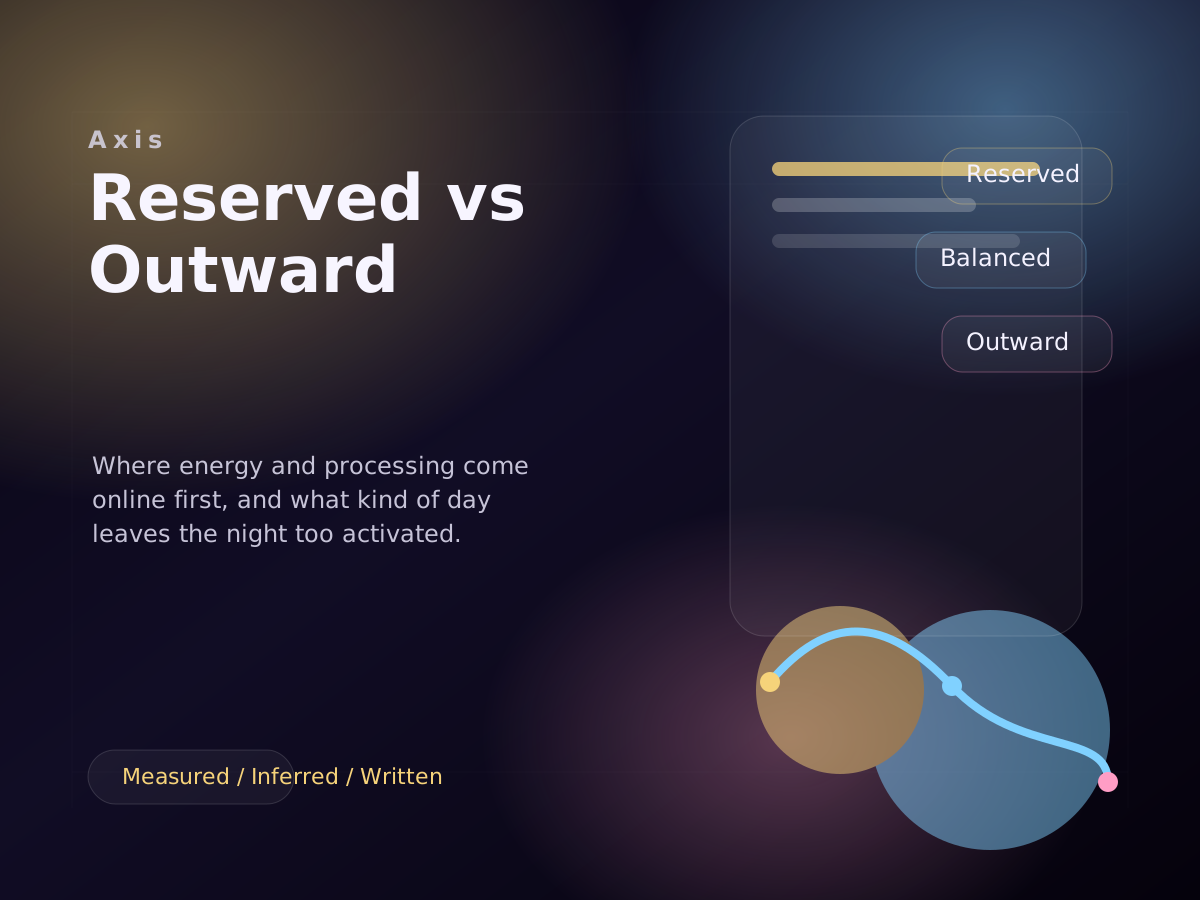
Reserved ↔ Outward
Whether you recover by pulling inward first or by engaging outward first.
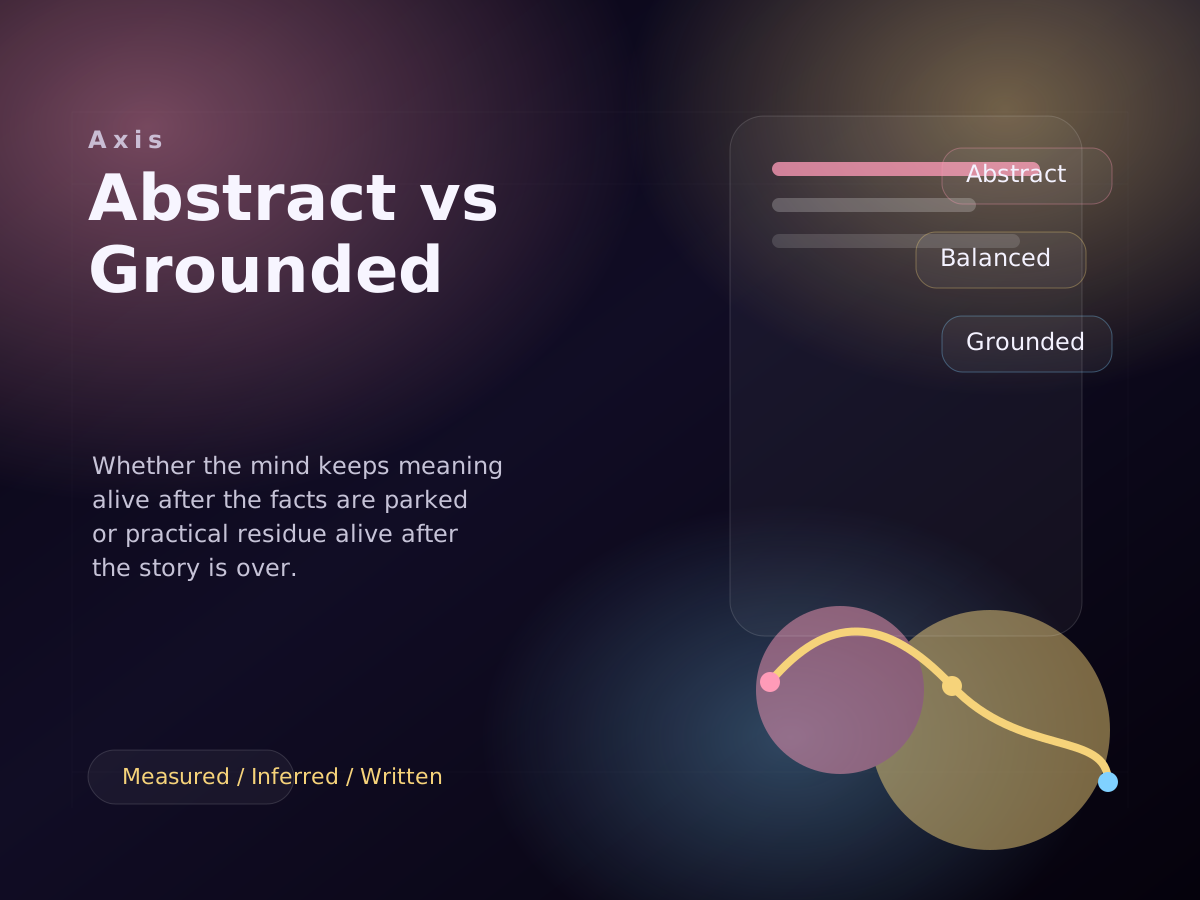
Abstract ↔ Grounded
Whether you notice patterns and implications first or concrete facts and limits first.
Logical ↔ Values-led
Whether you trust reasoning first or human impact first when a choice gets difficult.
Methodical ↔ Fluid
Why some people settle with closure and sequence while others settle with flexibility and room to adapt.
Take the Quiz
The quiz gives you a starting point. The app shows whether it actually fits.