What tends to keep this type up at night
Night risk: novelty overstimulation. If the conversation still feels alive, the brain keeps debating and generating after lights out.
Systems family
Sharp, fast, and good at finding the weak spot in an idea.
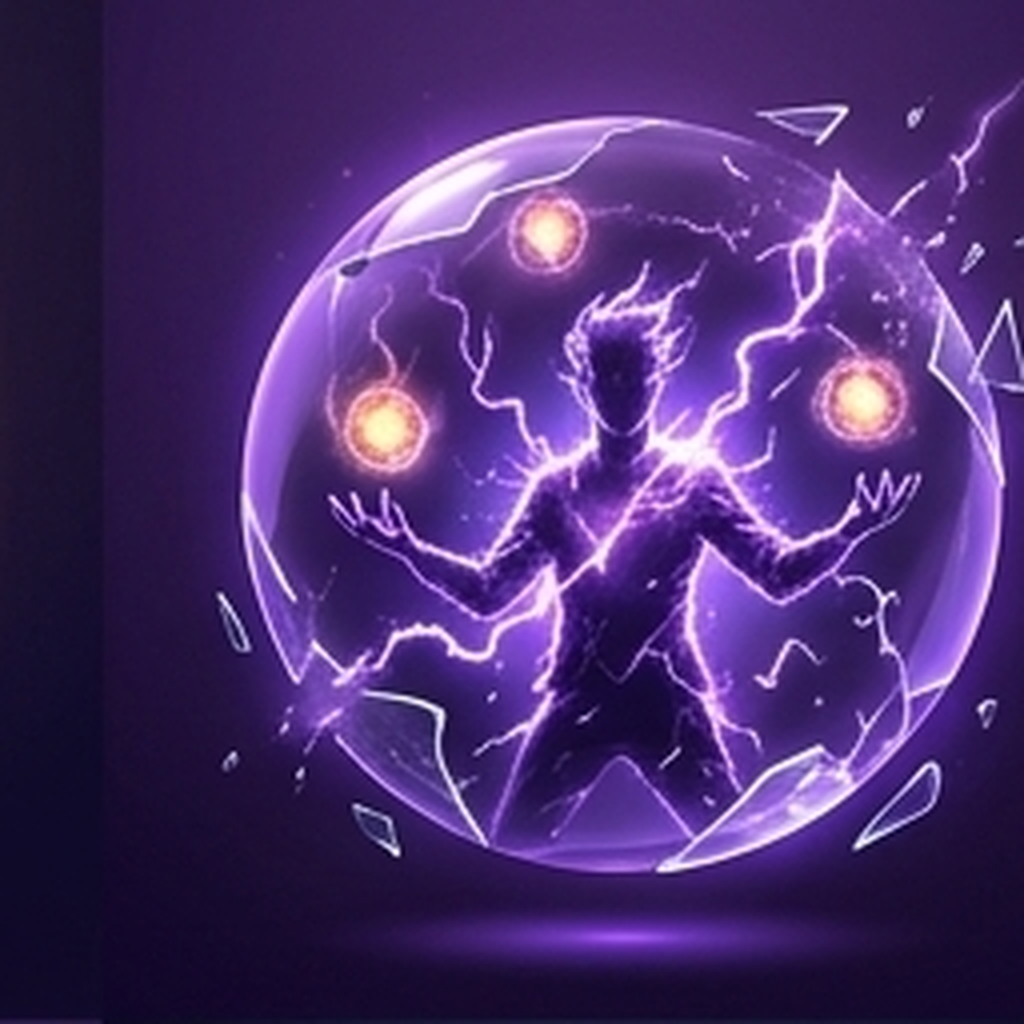
How this type helps inside Aftercurrent
Aftercurrent uses this type to add better language to dream themes, sleep friction, and the Focus Areas that are most likely to help first.
Night risk: novelty overstimulation. If the conversation still feels alive, the brain keeps debating and generating after lights out.
Dreams often feel crowded, clever, rapid, and full of reversals, argument, or one more angle you almost caught.
Use rituals that bend with reality instead of breaking when the day changes.
How this type usually thinks, works, and relates
Provoker starts with outward energy, notices the world through a more abstract lens, trusts a more logical way of choosing, and settles best through a more fluid kind of structure. Put together, those four letters create a very specific pressure style, sleep friction, and way of moving through work and relationships.
Energy direction
Starts in motion, thinks through engagement, and gets clearer once contact begins.
Night effect: Stimulation and social momentum can carry straight into the night.
Attention style
Starts with pattern, implication, and the bigger meaning behind what is happening.
Night effect: Meaning, subtext, and alternate readings can keep reopening loops.
Decision lens
Steadies decisions through structure, consequence, and what holds up under pressure.
Night effect: The mind may keep fixing, editing, or searching for the cleanest answer.
Structure style
Settles through adaptation, a looser taper, and room to respond to what is still changing.
Night effect: Too many open tabs can keep the body tired while the mind stays busy.
Full profile
What drives this type, what pressure distorts, and what helps it land again.
The pattern
Provokers think by engaging. They throw ideas against reality and see what breaks. They are often mentally quick, verbally agile, and allergic to stale consensus.
If everyone is repeating the same polite script, the Provoker usually wants to puncture it, test it, or turn it upside down just to see whether there is anything real underneath. They like movement in thought, not dead agreement. This does not automatically make them unserious.
In fact, many Provokers are serious about truth and use disruption to expose what is weak, fake, or lazily accepted. They often thrive where conditions change fast and where intelligence matters more than deference.
At your best
At their best, Provokers help people escape mental ruts. They are good at reframing, improvising, challenging assumptions, and finding live options in situations that looked stuck. They often bring wit, inventiveness, and courage to environments that are becoming timid or ceremonial.
A good Provoker restores oxygen to a room that has become overmanaged. They also have a practical streak people sometimes miss. Because they are willing to test in real time, they can discover usable answers faster than people who need everything to be theoretically settled first.
Under pressure
Under pressure, the Provoker can become contrarian for sport. They may needle people when reassurance is actually needed, or turn every serious moment into a chance to score a point. They can also outrun their own sincerity.
If they keep every conversation in clever motion, they never have to risk the slower, more exposed kind of honesty that does not come with applause. This type can also have trouble with commitment when commitment feels like closure.
They may prefer option value to clarity, or keep re-opening questions that should have been settled because finality feels deadening. Other people can experience this as exciting at first and exhausting later.
Life with other people
In relationships, Provokers usually want mental spark, freedom, honesty, and a sense that the connection is alive, not managed. They often dislike possessiveness, heavy-handed routines, and people who use emotional certainty to shut down exploration. At their best they are energizing, funny, inventive, and unusually honest.
At their worst they can make a partner feel toyed with or never fully met. At work, they often thrive in entrepreneurship, negotiation, innovation, live strategy, sales, media, product ideation, or any role where quick reframing is valuable. They do poorly in environments where curiosity is seen as disloyalty.
Night, dreams, and day-to-day shifts
These sections cover what usually shifts at night, under strain, and across different kinds of days.
Day to day
A more Methodical or Reserved Disposition can do a lot of good here. It gives the Provoker more staying power and more tolerance for finishing what they start. A more Values-led day makes them less purely disruptive and more obviously protective of what matters.
Under overload, they may either become louder and more scattered or disappear completely because even they have run out of bandwidth.
Dream life
Provokers often dream of games, races, arguments, shape-shifting rules, escape routes, social tension, or scenes where the point keeps changing midstream. Their dream life often asks the same question their waking life does: am I creating movement, or just refusing to let anything hold still long enough to touch me?
What helps
Provokers usually do best with room to experiment, work that rewards quick intelligence, and relationships strong enough to survive bluntness. What helps most is finding places where their fire can be aimed instead of just discharged.
Quick reference
Dream question, sleep pattern, morning-after pattern, and rituals.
Dream question
Their dream life often asks the same question their waking life does: am I creating movement, or just refusing to let anything hold still long enough to touch me?
What energizes you
Live ideas, wit, novelty, open-ended thinking, and rooms where reframing actually changes the conversation.
What drains you
Stagnation, overly rigid routines, weak thinking, and environments that punish experimentation.
At your best
Inventive, agile, persuasive, and able to wake a stale room back up fast.
Under pressure
Novelty overstimulation, unfinished loops, late ideation, and motion that stops helping.
Sleep signature
Night risk: novelty overstimulation. If the conversation still feels alive, the brain keeps debating and generating after lights out.
Dream signature
Dreams often feel crowded, clever, rapid, and full of reversals, argument, or one more angle you almost caught.
Morning-after pattern
After a bright, thin night, you often wake with idea residue but less traction and less patience for maintenance.
Relationship style
You usually want chemistry, surprise, and a sense that the other person can keep up without trying to pin you down too early.
Focus / work style
You do your best work in first-draft problem solving, ideation, brainstorming, and any room that needs a better question fast.
Best wind-down ritual
Best wind-down ritual: capture the idea, stop feeding it, and give your nervous system a clear cue that the ideation window is closed.
Best wake-up ritual
Best wake-up ritual: quick capture of any overnight insight, then a body-based start before you reopen the whole possibility field.
Disposition drift
When today’s Disposition leans more Methodical, your ideas land. When it leans even more Outward or Fluid, you may stay clever far past the useful part.
What to work on first
Pick one and make it real.
Use rituals that bend with reality instead of breaking when the day changes.
Save the spark without feeding it for another hour.
End the workday on purpose so sleep does not keep managing it.
Similar types
Each of these flips one part of the pattern. They are useful when you are deciding between two similar pages.

Systems
Drawn to coherent ideas, deep analysis, and questions that still don’t sit right.
Shift: Same base shape, but the energy direction flips toward reserved.

Systems
Decisive, mission-driven, and quick to turn ambiguity into action.
Shift: Same base shape, but the structure style flips toward methodical.

Meaning
Sees possibilities early and keeps spotting the future before everyone else.
Shift: Same base shape, but the decision lens flips toward values-led.

Presence
Fast-moving, opportunity-driven, and comfortable acting before the plan is perfect.
Shift: Same base shape, but the attention style flips toward grounded.
Read next
Keep the report optional. The app and the family page should still feel like the main next move.
Download Aftercurrent
The type page gives you the language. Aftercurrent is where the pattern becomes a living part of journaling, rhythm, and daily guidance.