Systems
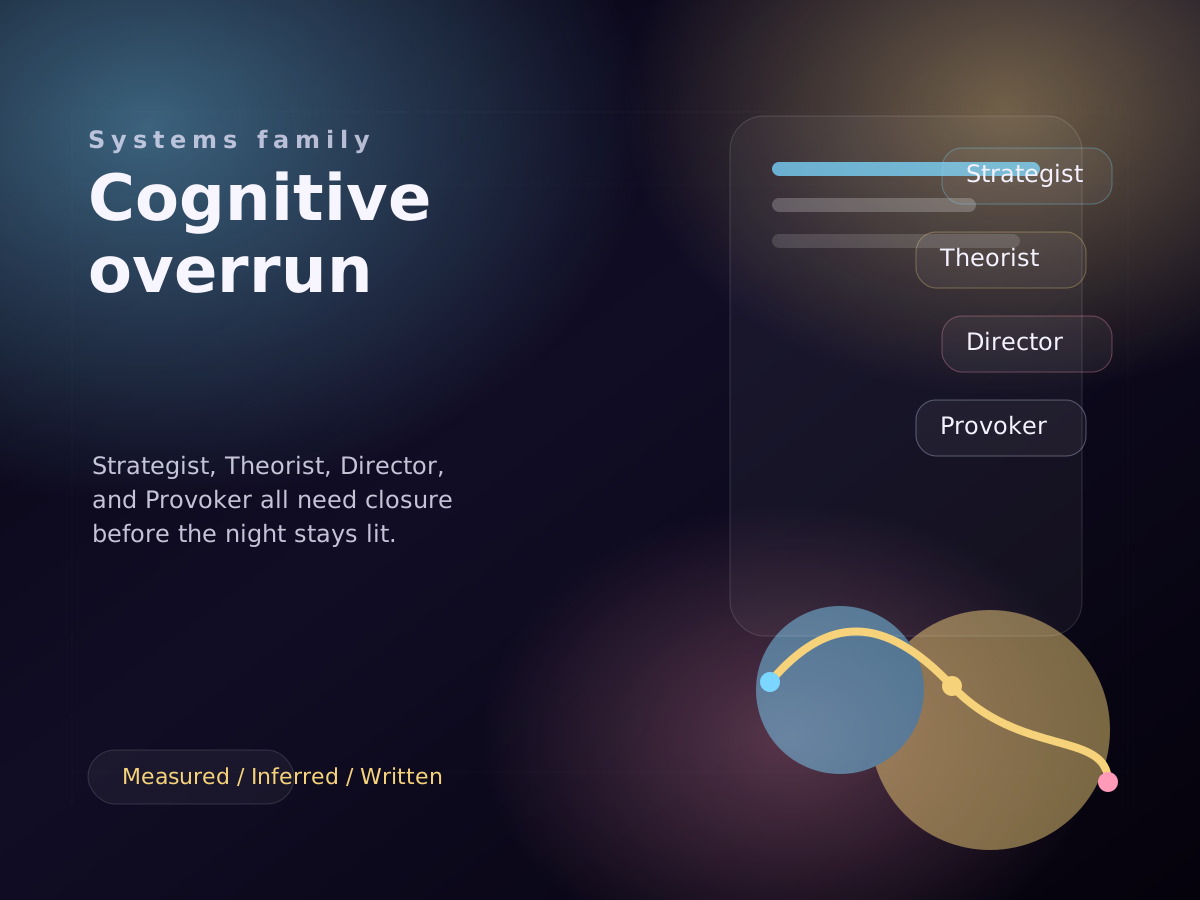
Systems family
These people think in structure, leverage, and design. They want things to make sense and hold together.
At night: Open loops, overthinking, and too much mental stimulation.
Archetypes
Start with a family, open the type that feels closest, or take the quiz for a quick first pass. Then use the app to see whether the pattern actually holds.
Four families
The family is the fastest way to find the pattern that feels closest before you compare individual types.
Systems
These people think in structure, leverage, and design. They want things to make sense and hold together.
At night: Open loops, overthinking, and too much mental stimulation.
Meaning
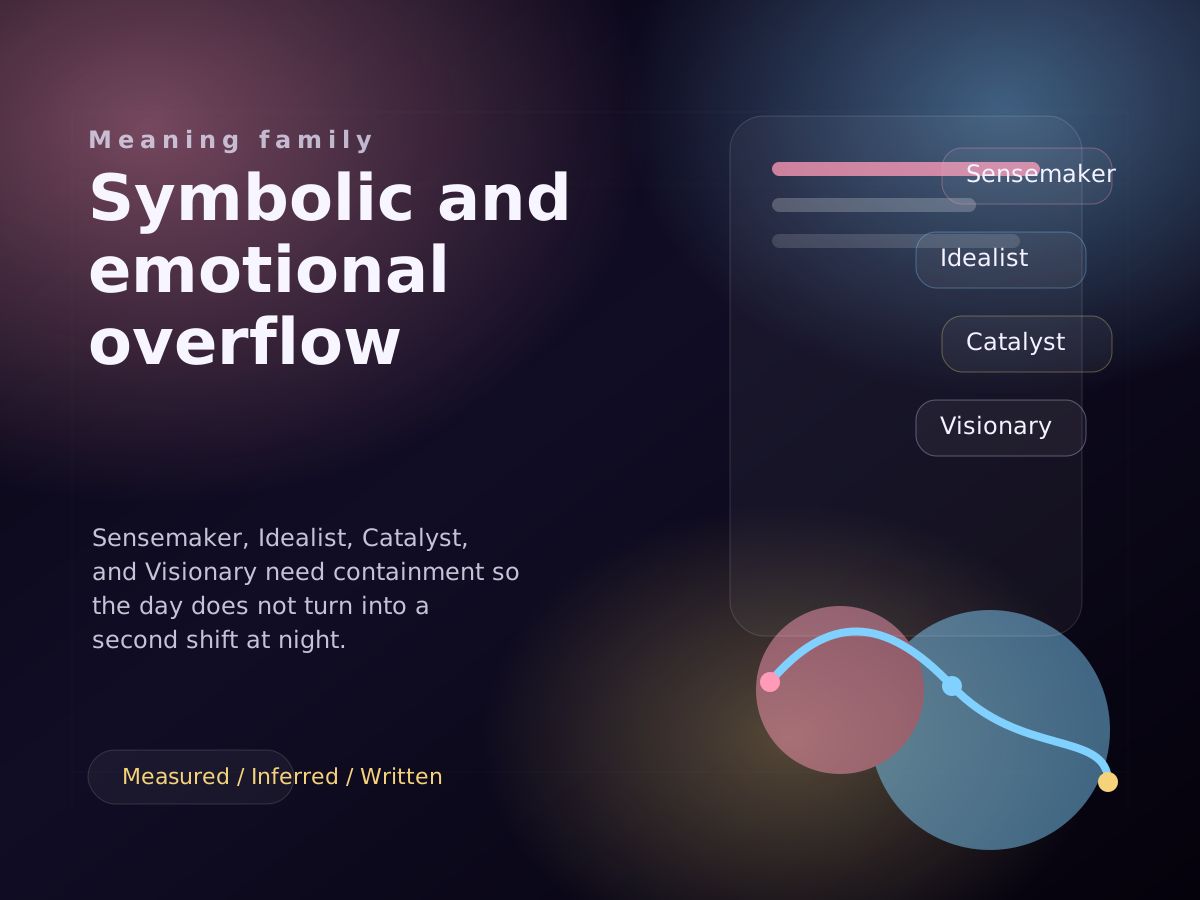
These people notice emotion, subtext, and possibility quickly. They tend to read beneath the surface.
At night: Unresolved emotion, subtext, and an imagination that won’t shut off.
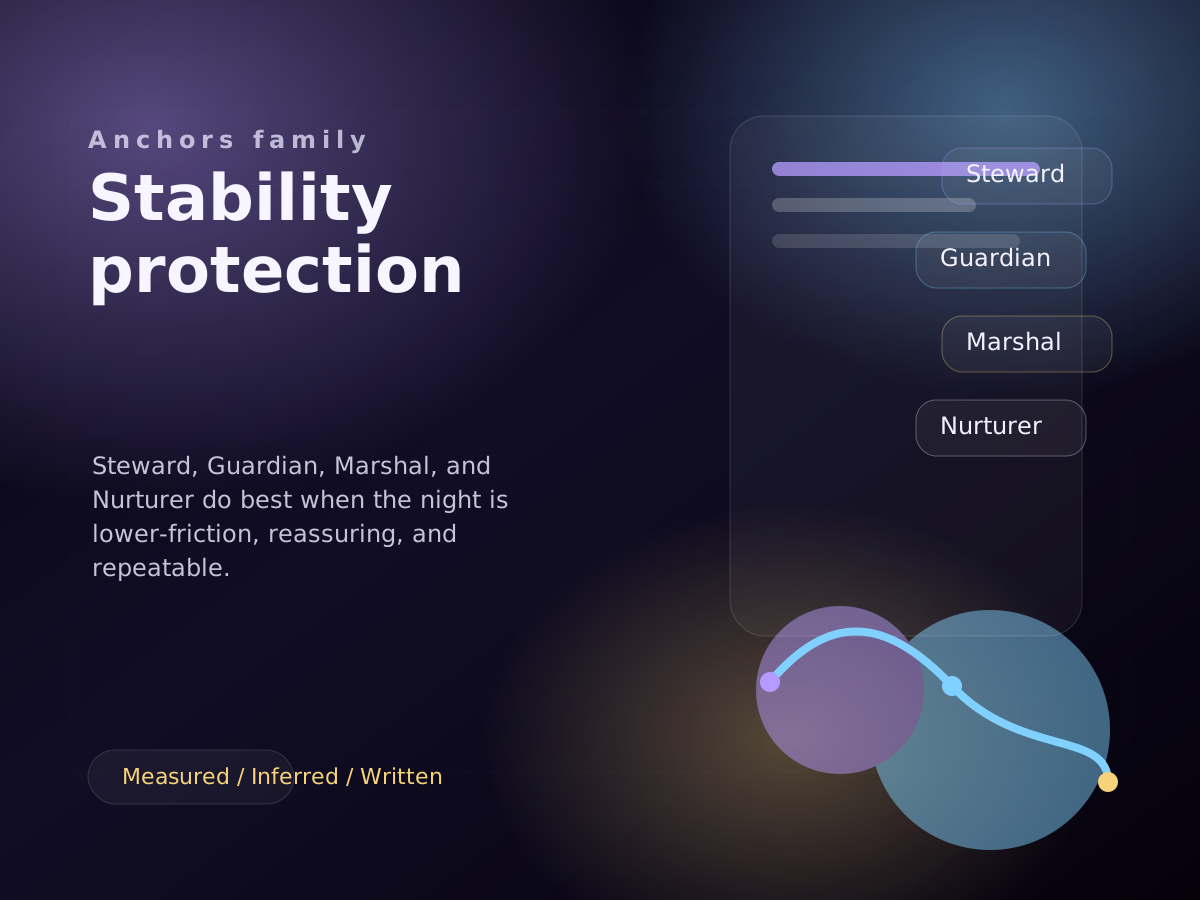
Anchors
These people keep life steady, practical, and reliable. They care about continuity, trust, and things not falling apart.
At night: Worry, disruption, unfinished responsibilities, and the need to keep things steady.
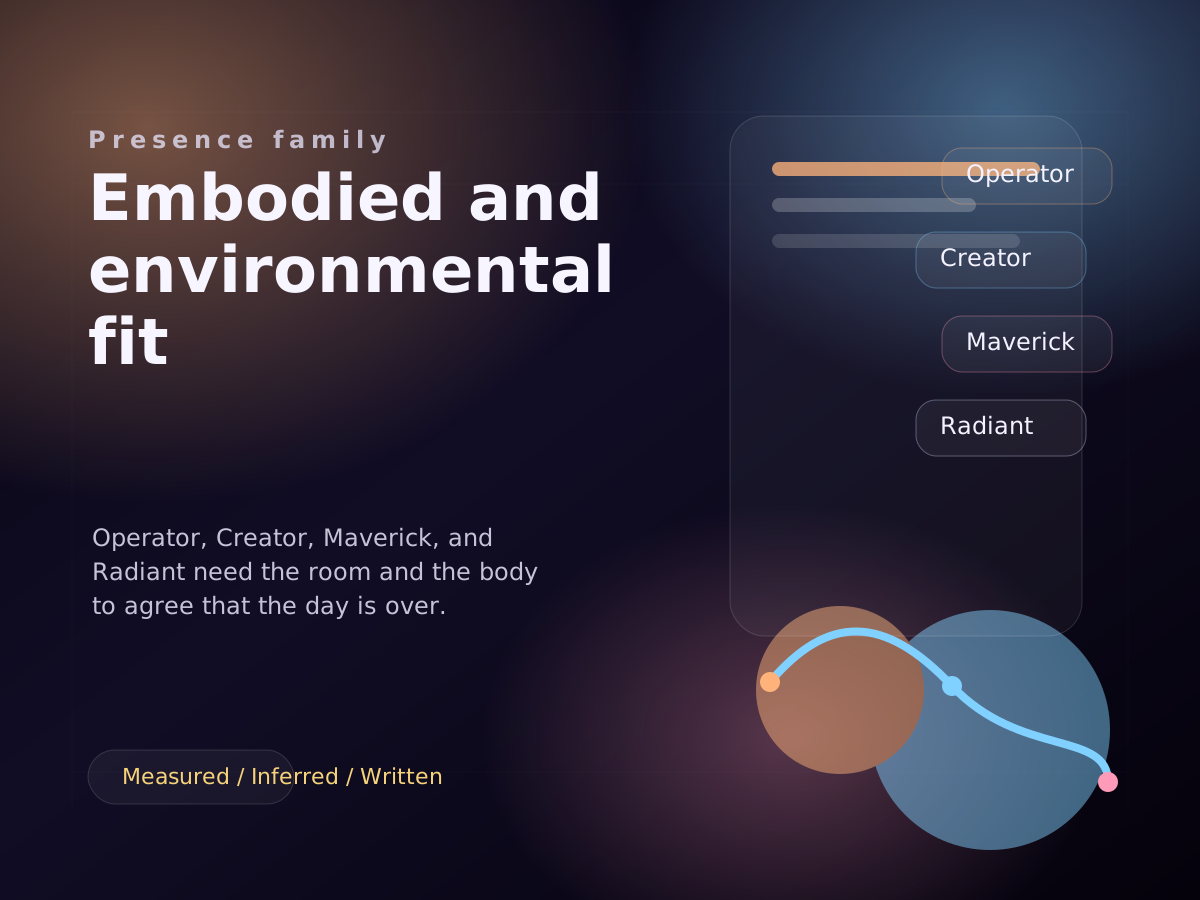
Presence
These people respond in real time. They read the room, move fast, and care a lot about pace, atmosphere, and fit.
At night: Momentum, sensory overload, and not enough real wind-down.
Browse by family
Once the family sounds right, the type pages tell you what changes inside it.
Systems family
These people think in structure, leverage, and design. They want things to make sense and hold together.
At night: Open loops, overthinking, and too much mental stimulation.
Meaning family
These people notice emotion, subtext, and possibility quickly. They tend to read beneath the surface.
At night: Unresolved emotion, subtext, and an imagination that won’t shut off.
Anchors family
These people keep life steady, practical, and reliable. They care about continuity, trust, and things not falling apart.
At night: Worry, disruption, unfinished responsibilities, and the need to keep things steady.
Presence family
These people respond in real time. They read the room, move fast, and care a lot about pace, atmosphere, and fit.
At night: Momentum, sensory overload, and not enough real wind-down.
All 16 types
Each page shows what drives that type, what pressure distorts, what tends to disrupt sleep, and what usually helps first.



Presence
Fast-moving, opportunity-driven, and comfortable acting before the plan is perfect.

Why it matters in the app
They help Aftercurrent understand what tends to keep you up, what kind of dream themes you carry, and what kind of guidance is more likely to land.
Archetypes help Aftercurrent understand the kind of sleep friction that tends to follow your default style.
Dream imagery means more when the app already has a read on the pressure patterns behind it.
Focus Areas and next-step guidance work better when they match how you actually operate.
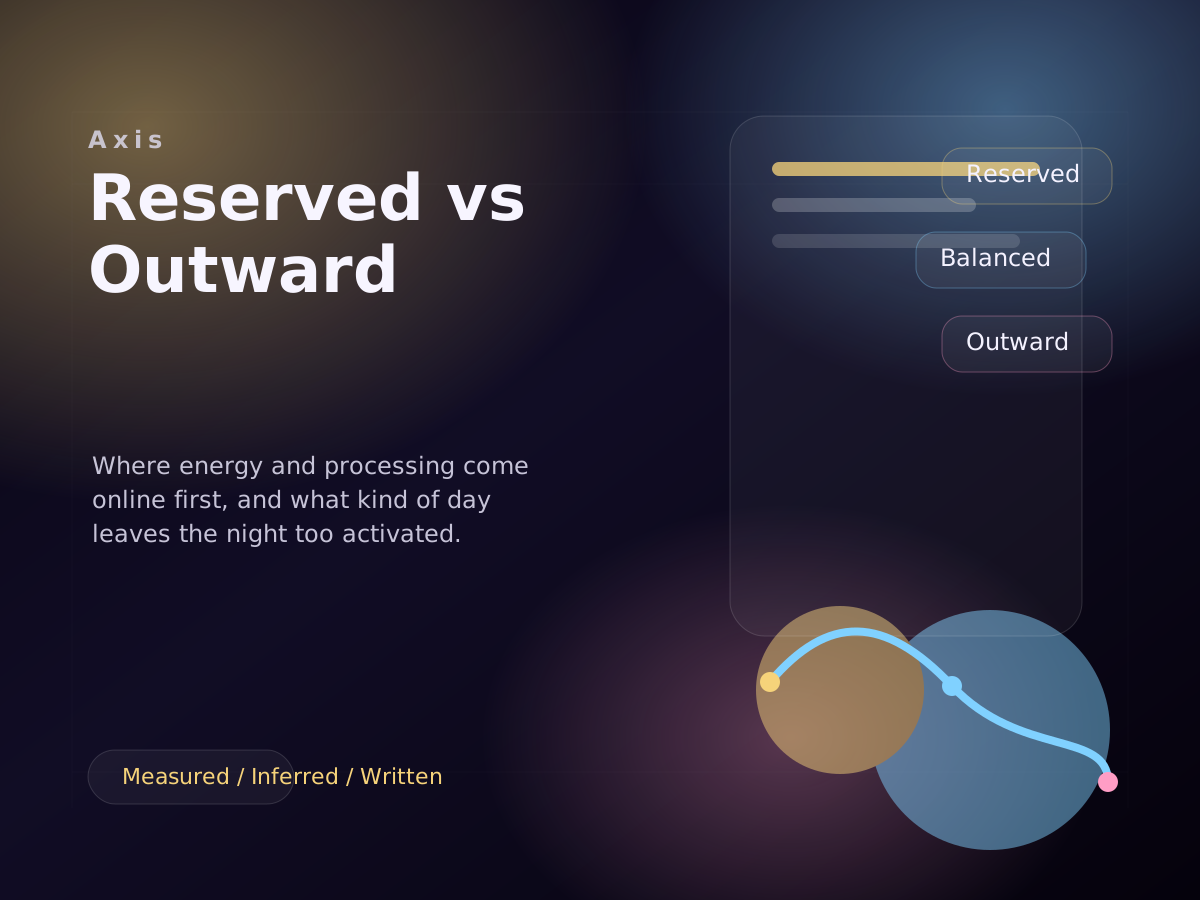
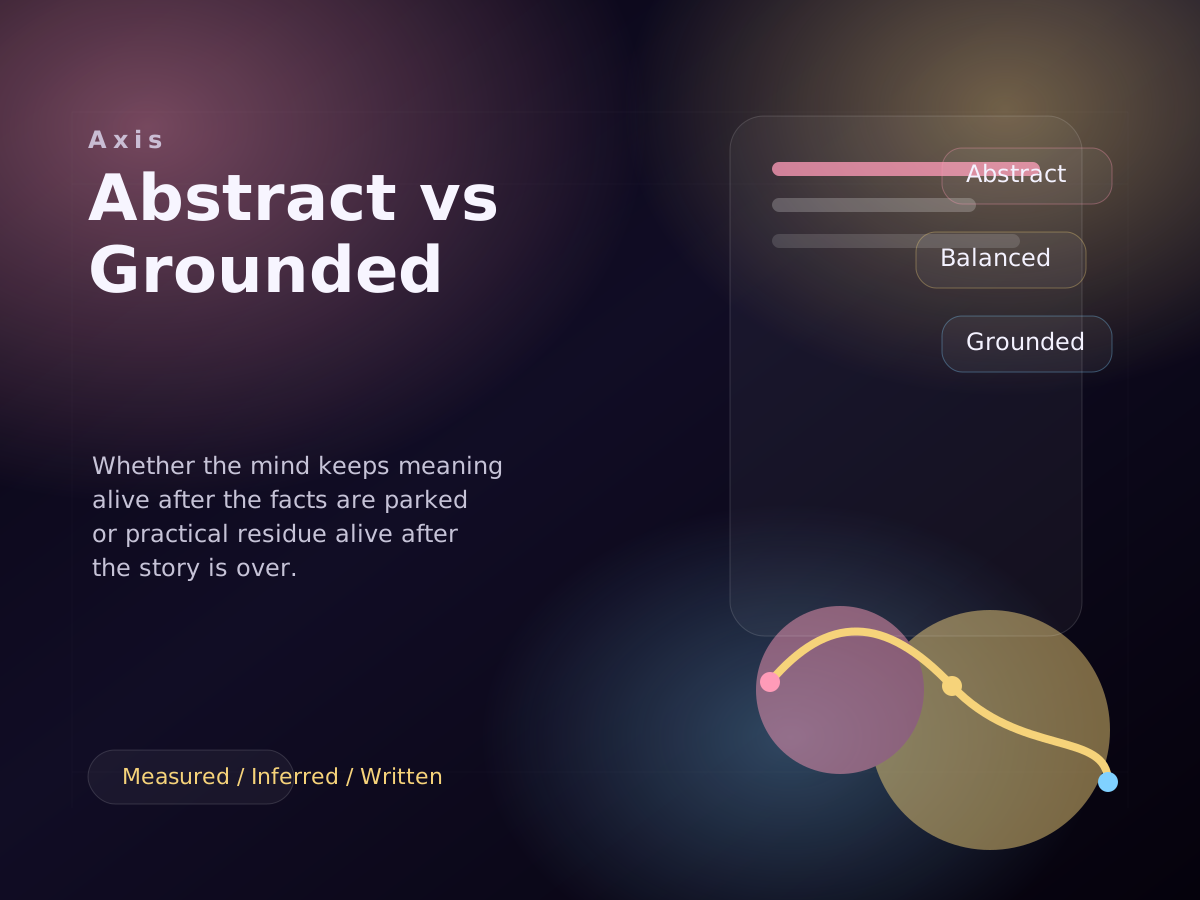
Four axes
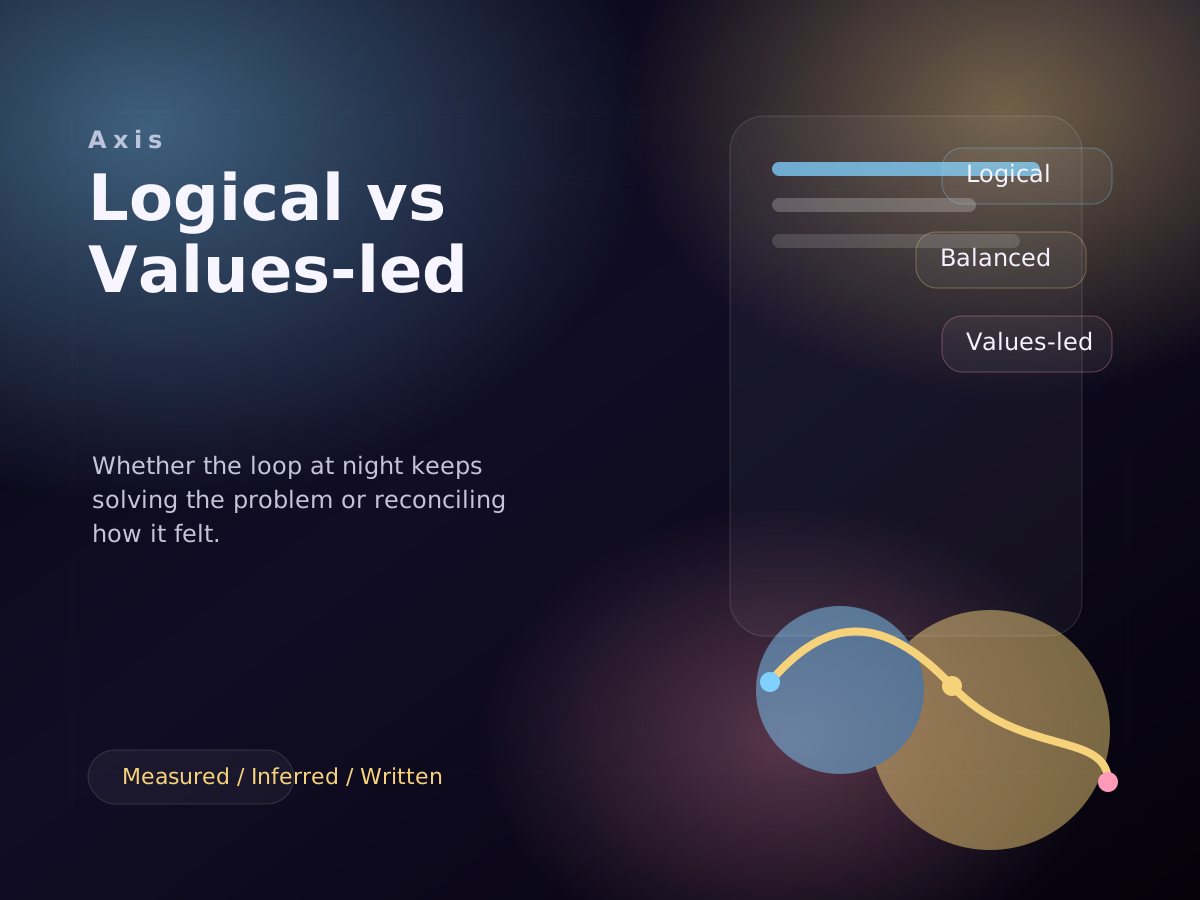
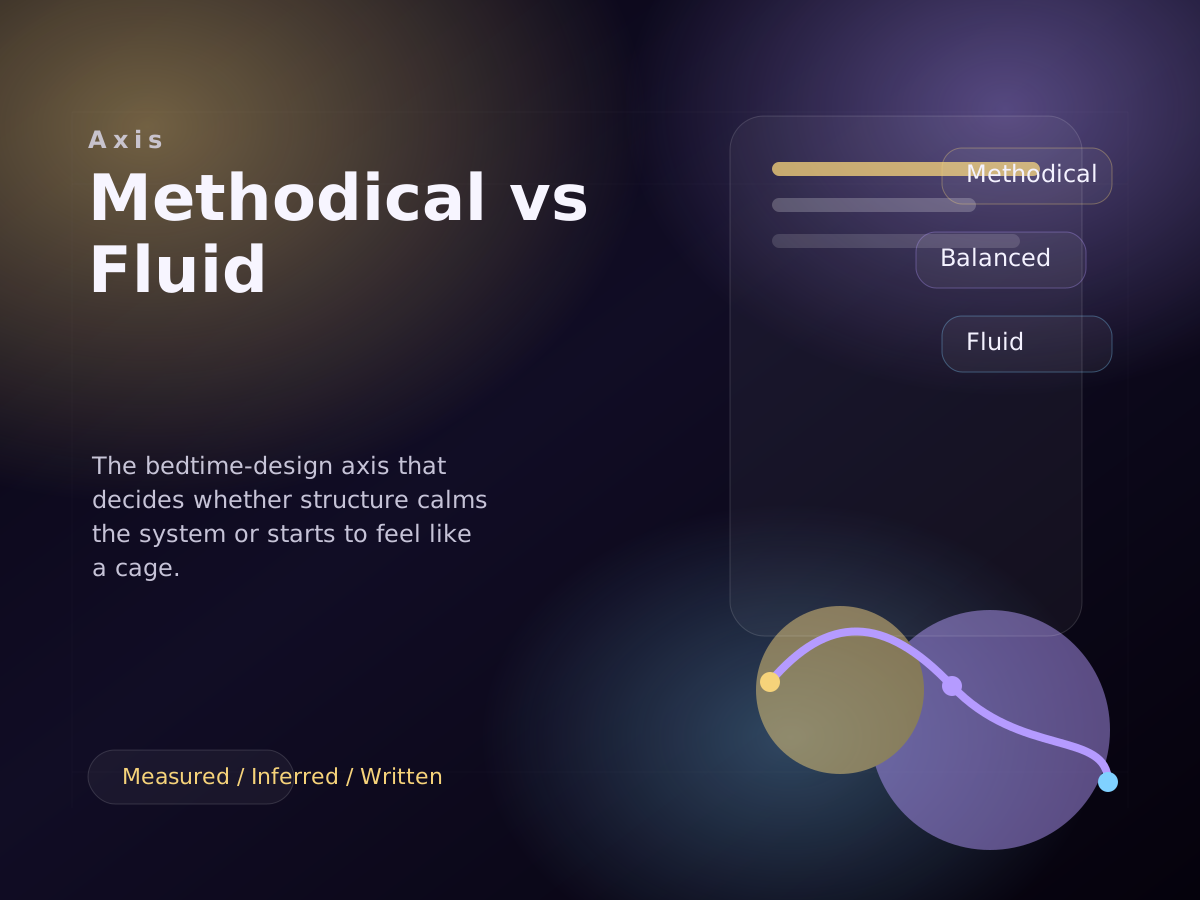
These four levers explain what changes from one type to the next, and why two similar types can still sleep, react, and recover differently.
Download Aftercurrent
Use the quiz for the fast first pass. Use Aftercurrent when you want the pattern to prove itself over real nights.